
 repair before replace
The stage
The day a building is finished is the first day of its upkeep. Most of its life, and most of its cost, comes after the builders leave.
What the usual way assumes
That maintenance is the owner’s problem. The builder is gone in a year. Kitchens, floors and windows are thrown out long before they wear out, usually when a home changes hands.
What we do instead
We keep what we build, so the upkeep is ours. That changes how we build.
- A schedule and a reserve for every part. Roofs, paint, heat pumps and sealant each have a known life. We plan and save for each one.
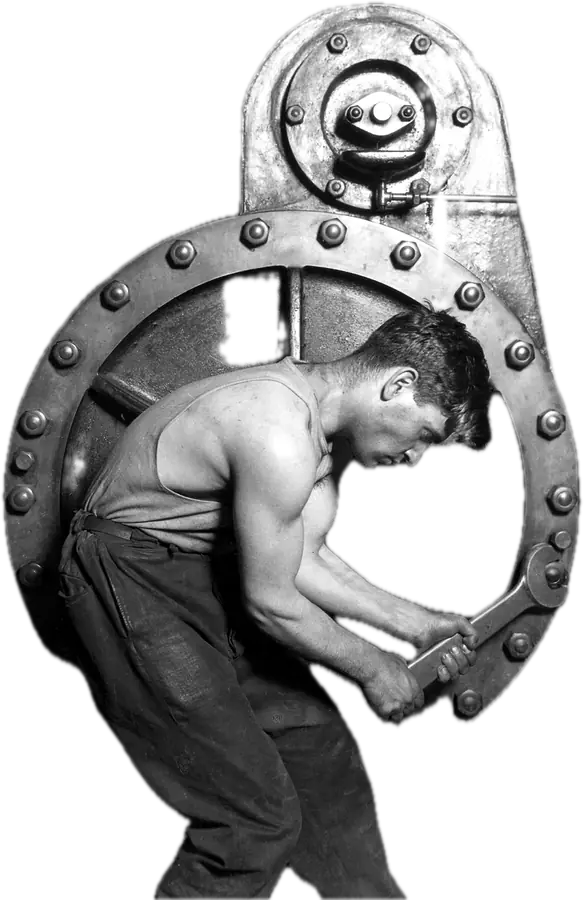
- Repair before replace. Refinish the floor. Rebuild the window. Reglaze, re-tile.
- Spares on the shelf. Matching finishes and parts are kept from day one.
- A record that is kept up. What is in the building, and what was done to it, updated every year.
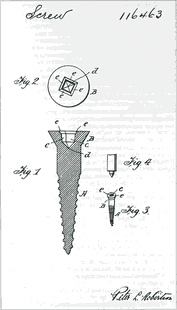
We also build so that repair is possible: access panels where things fail, parts that unscrew, nothing important buried in foam.
What we don’t know yet
How many hours a well-kept building really takes. Small building systems tend to fail for lack of attention, not bad equipment. We intend to count our own maintenance hours and publish them, because almost nobody does.
Questions at this stage
Field Notes
AssemblyMaintenance
Five layers, five lifespans
A building is not one thing that ages at one speed. Keep its fast parts from being trapped behind its slow ones, and most demolition never has to happen.
MaintenanceDurability
Maintenance is a design decision
Buildings rarely wear out. They are neglected, or replaced piece by piece before their time. Both can be designed against, by a builder who stays.