
Livability
The test of a building is living in it. Quiet, light, warmth, clean air and ease, year after year.
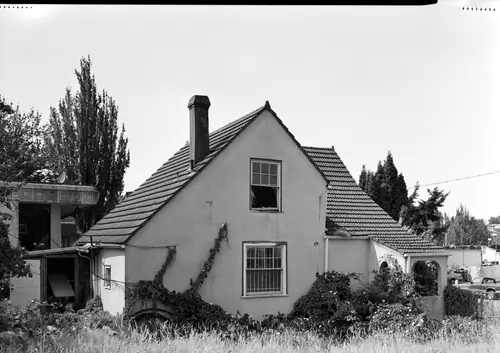


 seven on a January morning
The stage
Every stage before this one exists for the sake of this one. A building succeeds when the people in it sleep well, stay healthy and want to stay.
What the usual way assumes
That livability is a list of features on a listing sheet. The builder never comes back to ask how the place works at seven on a January morning.
What we do instead
We ask, because we are still there. Homes we hold are homes we hear about: the room that is always cold, the fan that is too loud to use, the door that swells shut.
Much of livability is decided by the quiet parts of construction. Sound between homes depends on mass, separation and sealed gaps. Air depends on a tight shell with planned ventilation. Daylight depends on where the windows went before the walls were framed.
Some of it is plain safety that never shows in a photograph: yards free of lead where children play, stairs and baths that don’t cause falls, a frame braced for an earthquake.
What we don’t know yet
How to measure a home being easy to live in. Energy has a meter. Comfort and calm don’t. We are still working out what to count, and we would rather ask residents than guess.